Plan fitness benefits — serving seniors across the Glades
Mon–Fri 8AM–5PM  ·  561-440-2166
Senior Friendly Fitness logo Senior Friendly Fitness Living Stronger, Longer

Home  /  Learning Library  /  Nutrition labels & basics

Wellness & everyday health

Nutrition labels & basics

Learn how serving size, calories, and % Daily Value work on the Nutrition Facts label, with a plain-language preview of the upcoming class PDF.

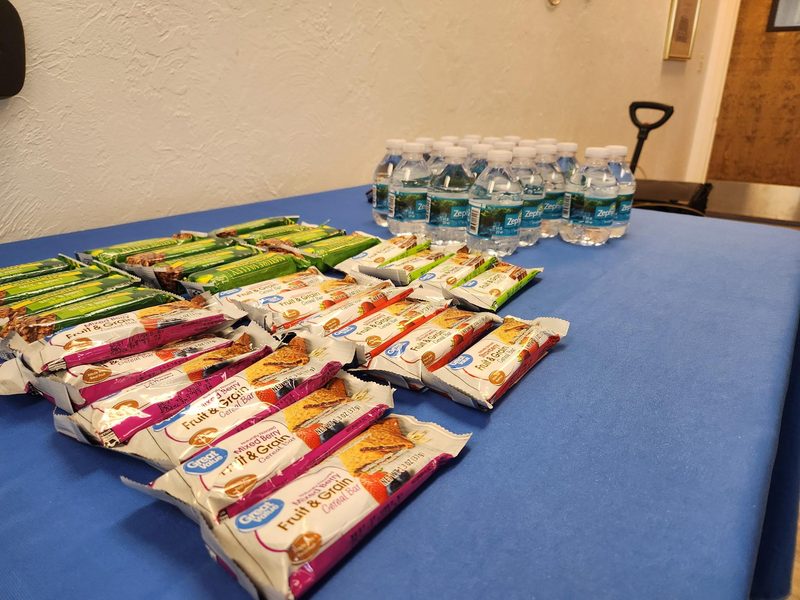
Packaged snack bars and bottled water arranged for a nutrition session.
Packaged snacks and water offer familiar examples for a label-reading conversation.
General education, not professional advice. Senior Friendly Fitness is not a medical provider, doctor, dietitian, or nutritionist. This article is not personal medical, nutrition, legal, cybersecurity, or financial advice. Ask a qualified professional about individual concerns.

Class and activity scope. Before teaching, check each activity and slide deck against current Tivity Health and SilverSneakers program rules and instructor guidance for your class. Adapt or leave out anything that does not fit those requirements or participant needs.

A Nutrition Facts label is a small reference panel, not a grade for a food. Reading it from top to bottom can make the numbers easier to understand without turning the label into a personal diet plan.

Start with the serving size

The calories and nutrient amounts on a package are listed for a serving. The serving size describes the reference amount used for the label; it is not a recommendation for how much any one person should eat. If a package contains more than one serving, eating the whole package means the amounts can add up. A useful first question is simply: “How many servings are in this package?”

Use % Daily Value as a comparison clue

The FDA’s general guide says 5% Daily Value or less of a nutrient per serving is low, while 20% or more is high. That quick guide helps people read the label; it does not set an individual target. When comparing two products, compare the same serving amount and look at the nutrients that matter for the discussion, such as sodium, fiber, or added sugars.

Look at one question at a time

Calories describe energy in a serving. The nutrient rows show amounts such as sodium, carbohydrate, protein, and fat. The ingredient list provides another kind of information about what is in a product. No single number tells the whole story, and a group lesson cannot account for allergies, medical conditions, cultural preferences, or a person’s nutrition plan.

A preview of the class handout

Inside the upcoming presentation PDF

The presentation PDF will use a large, easy-to-read sample label and walk through the parts together. The goal is label literacy and useful questions, not telling anyone what to buy or eat.

  • Find servings per container and serving size before reading the rest of the panel.
  • Locate calories and several nutrient rows on a sample label.
  • Practice the FDA’s 5% / 20% %DV guide with examples.
  • Compare two labels using the same serving amount and discuss what the numbers can—and cannot—tell us.

The downloadable PDF is coming soon. This button will activate when its file is added.

Ask about this topic

This is general education only. It does not provide a food list, supplement advice, calorie target, or personal nutrition plan.

← Back to all Learning Library topics