
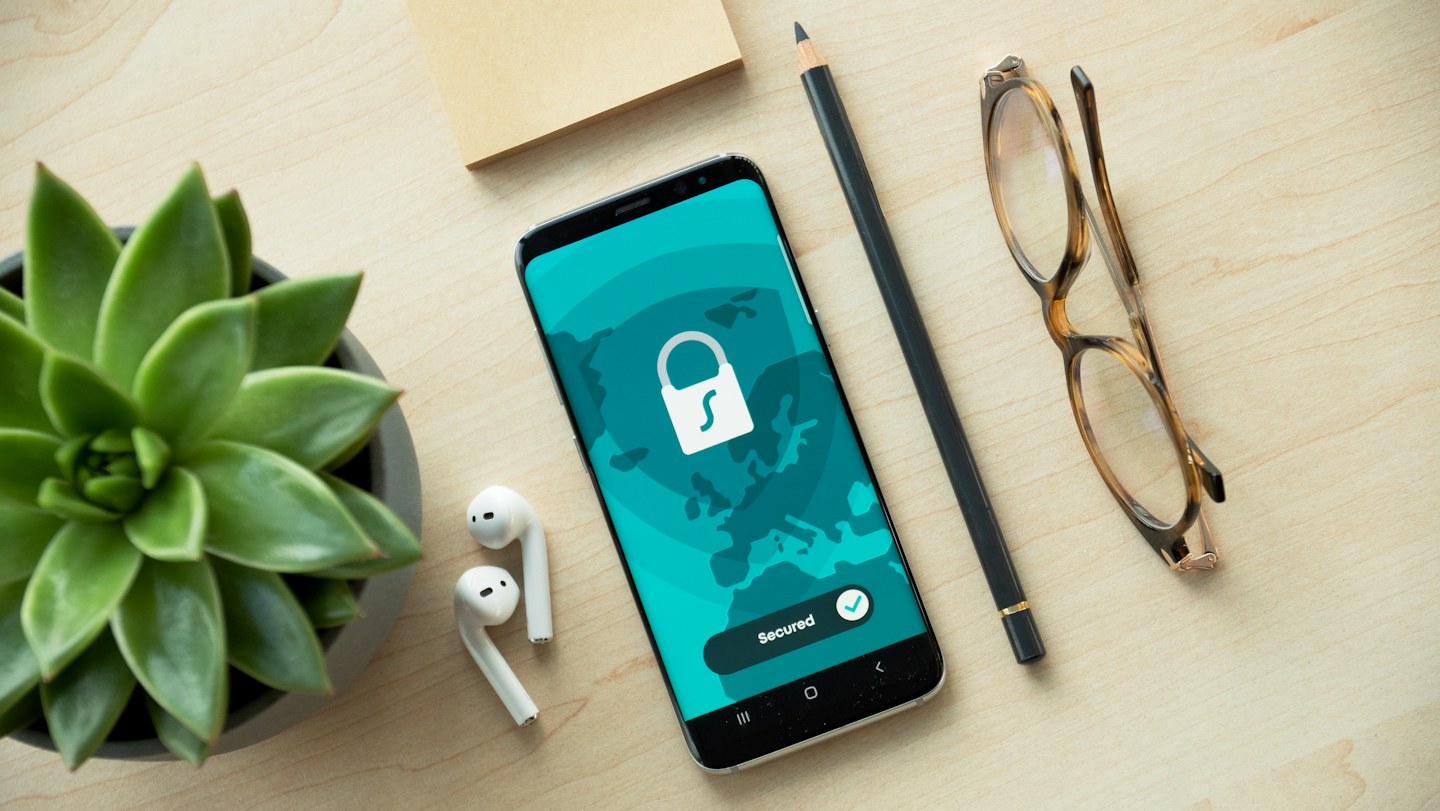
Cybersecurity is a set of everyday habits for protecting accounts, devices, and personal information. No single step removes every risk, but a few repeatable routines can make it easier to spot a suspicious request and know what to do next.
Four habits worth practicing
CISA’s Secure Our World campaign groups everyday guidance into four actions: recognize and report phishing, use strong passwords, turn on multifactor authentication (MFA), and install software updates. A password manager can help keep passwords long and different across accounts. MFA adds another step—such as an app prompt or code—when signing in.
Recognize a message that deserves a second look
An unexpected message may push urgency, ask you to open an attachment, or request personal information. Pause before clicking. If it appears to come from a bank, health plan, delivery company, or government office, contact the organization through its official app, website, or a number you already trust. Never give a caller a sign-in code just because they say they need it to protect your account.
Make the next step manageable
Choose one account—often email is a practical place to start—and review its security settings with a trusted helper if you want support. Check whether MFA is available, whether recovery information is current, and whether the device is offering an official update. If something looks unfamiliar, stop and ask before sharing information or changing an account.
This is awareness education only. It does not inspect devices, recover accounts, or guarantee protection from fraud.